
Discover, Define, Design
Understanding biomechanics and translating clinical insight into engineering innovation.
We work with clinicians and scientists to solve real-world healthcare challenges.
From identifying unmet clinical needs and designing bespoke medical devices to measuring human movement and exploring the biomechanics and mechanobiology of the human body, we help generate new insights that advance the understanding, diagnosis and treatment of disease.

Explore our areas of expertise
At MMT Lab, we bridge the gap between the engineering laboratory and the clinical frontline. Our research group is dedicated to solving real-world medical challenges through a rigorous, user-centred design philosophy.
We don’t just build technology; we flex it. By working directly with clinicians to define unmet needs, we design bespoke medical devices and discover new frontiers in biomechanics measurement.
Our expertise spans the full lifecycle of innovation – from initial analysis to the development of sophisticated tools that quantify human movement, understand disease and improve patient outcomes. At the heart of our work is a commitment to precision, adaptability, and the belief that the best engineering solutions are born from a deep understanding of the people who use them.
Clinical Collaboration
Partnering with healthcare professionals to identify and solve high-impact, unmet needs.
User-Centred Design
Placing the patient and clinician at the centre of the engineering process.
Adaptive Technology
Rapidly prototyping and “flexing” engineering solutions to fit specific medical contexts.
Medical Mechatronics & Robotics
Design and manufacture of electromechanical systems using cutting edge robotic technologies.
Biomechanical Analysis
Utilizing advanced measurement tools to decode complex human movement.
Mechanobiological Computational Modelling
Linking physical environmental stimuli with cell behaviour and tissue adaptation to understand the effect of disease and medical devices.
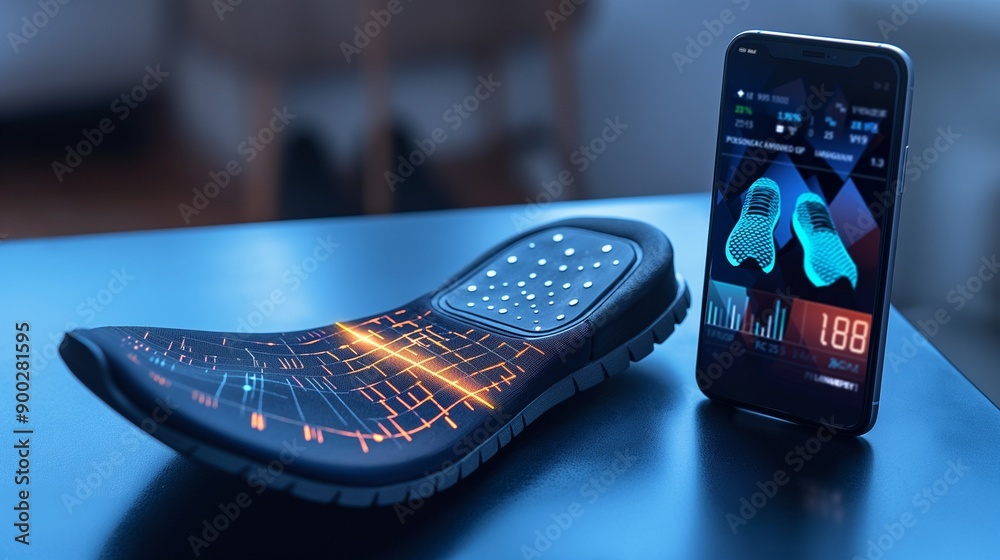
Innovations designed for pressure management and prevention
Our current technology development focuses on insole based solutions that help clinicians and users better understand, monitor, and reduce pressure related risk. From advanced sensing to active pressure redistribution, these innovations are designed to improve prevention, comfort, and patient outcomes.
Smart Insoles
Sensing compressive stress, shear stress and temperature for diabetic foot ulceration risk management.
These smart insoles are designed to provide deeper insight into pressure related risk, supporting earlier detection, better monitoring, and more informed clinical decision making.

Real-time pressure insight
Measures stress, shear and temperature
Supports diabetic foot risk management
Shape Changing Insoles
Actively changing shape to minimise peak plantar pressure and pressure time integral.
This technology is being developed to better manage foot pressure in conditions such as diabetes and ageing, helping to prevent foot pain and ulceration through adaptive response.
Active pressure redistribution
Designed for prevention
Supports comfort and offloading
Applications across healthcare and human movement
Diabetic Foot
Supporting earlier detection and better management of plantar pressure, shear stress, and temperature to help reduce ulceration risk and improve patient outcomes.

Tracheostomy
Exploring pressure-related challenges in prosthetic use, with a focus on comfort, fit, and better understanding of load at the limb interface.
Design
Understanding the biophysics of disease, and biological tissue is often the starting point to defining the problem and developing prototype medical devices. Our team has the expertise and facilities to address unmet clinical need.
Meet the team behind MMT Lab
Manchester Medical Engineering Lab is led by Dr Glen Cooper and Professor Andy Weightman, supported by post-doctoral researchers and a growing PhD team advancing work across biomechanics, healthcare technologies, robotics, and user-centred design.




Academic Leads
Post Doctoral Researchers
PhD Researchers
Flagship Projects
Partner with MME Lab
We welcome opportunities to collaborate with clinicians, researchers, healthcare organisations, and innovation partners to identify unmet needs and develop impactful medical engineering solutions.